

Injury, disease and prevention

Dental treatment needs a benefit-specific answer

Start with the reason for the dental care, then check the precise benefit and the history it accepts.

Veterinarian examining a gray-muzzled dog with its owner beside the table
✓ Policy-first ✓ Independent ✓ Useful checks
Direct answer
Pet insurance may help with dental treatment, but an injured tooth, dental disease and preventive cleaning can have different rules. Identify the cause and the exact dental option before relying on reimbursement. Existing disease is commonly restricted, although some newer state-specific benefits describe exceptions; neither a general exclusion nor an advertised exception is enough to decide your pet’s claim.
Quotes

First separate three reasons for care

Reason documented by the veterinarian Benefit to investigate Where assumptions fail
New dental injury Accident provisions and dental-trauma exclusions A broken tooth is not automatically an eligible accidental injury under every definition.
Disease treatment Dental illness wording or a broader dental endorsement The procedure may be surgery while the underlying dental disease remains excluded.
Prevention without diagnosed disease Routine cleaning or wellness benefit A cleaning allowance does not establish coverage for disease treatment.

The veterinarian diagnoses and recommends care; the insurer applies the contract. Ask for the clinical reason in the record, rather than choosing whichever label seems most payable. If multiple reasons are present, ask the insurer how it separates them. A single appointment can involve more than one benefit question.
What to know

Why the dental record matters

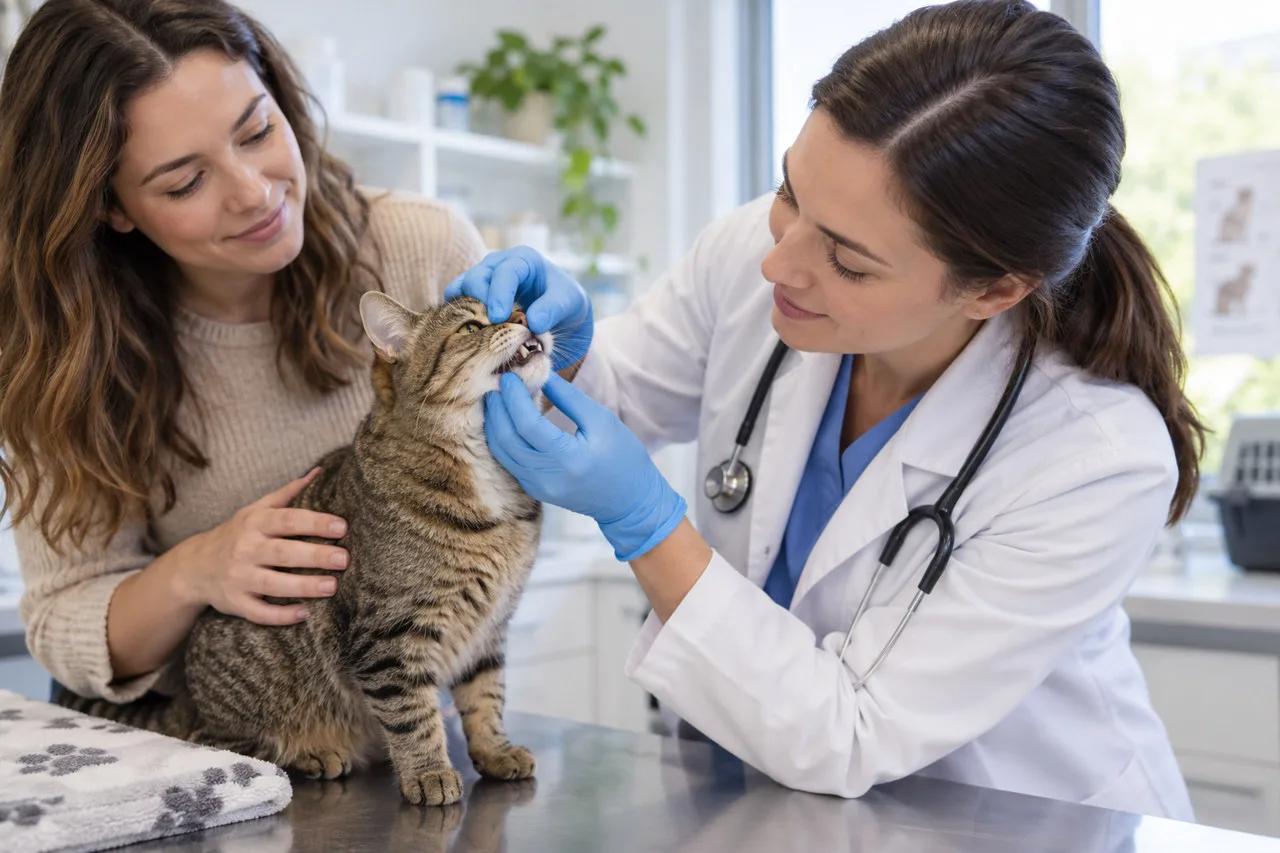
Veterinarian looking inside a tabby cat’s mouth with its owner nearby
Dental records identify the clinical reason for treatment; the photograph is illustrative.

Cornell’s dentistry service describes gum disease, nerve disease and tooth resorption as different dental problems and notes that animals can hide discomfort. The fact that an owner noticed trouble only recently does not establish when disease began. Do not infer a diagnosis from appearance or from whether the pet is still eating.

Gather prior oral-exam findings, recommendations for cleaning or treatment, completed-care records and any dental imaging the clinic already has. Ask which history the insurer needs and whether an incomplete record prevents a decision. Do not alter or omit an earlier recommendation because the procedure has not happened yet.

Pets Best’s current coverage page cautions that dental terms vary with policy, state and enrollment date, including cleaning requirements. That means a friend’s successful extraction claim is not a substitute for reading the requirements attached to your own policy.

What to know

A product-name change can change the answer

The latter is being offered by location and describes inclusion of pre-existing dental conditions and routine cleaning; the former excludes those items. The newer option also describes a limited initial enrollment age range, continuity requirements and preventive-care obligations. Treat this as a reason to obtain the exact endorsement, not permission to assume a current dental problem will be paid.

Its Dental Care description limits initial addition to ages zero through three and requires keeping the benefit to retain it as the pet ages. Confirm availability and all timing terms for the offered state policy. An owner outside those conditions cannot safely apply the favorable headline to a different option.

Where a general website statement and a specialized benefit description seem inconsistent, ask the insurer to identify the operative policy clause in writing. Save the answer with the endorsement. The unresolved point is which contract applies, not which marketing sentence sounds more generous.

What to know

Ask these questions in order

  • Which exact dental benefit is active for this pet, and from what date?
  • Does it recognize the documented cause and prior history?
  • Are there examination, recommended-care or continuity requirements?
  • Which treatments and associated charges are eligible, and which share a dental limit?
  • Is the answer an advance binding authorization, a nonbinding estimate or general guidance?

If the first two answers remain uncertain, a precise reimbursement calculation would be premature. You can still ask the clinic for a written estimate and payment options, but label the insurance contribution as uncertain. If a treatment changes during the procedure, retain the final report so the claim reflects what actually happened.

What to know

Care should not wait for a new contract

Contact a veterinarian about mouth pain, trouble eating or other concerning signs and follow their advice on urgency. Insurance research cannot establish a safe delay. For future protection, compare benefits while the records are complete and before assuming a new option will solve an already-known treatment need.

After a claim, compare the explanation of benefits with the particular dental provision used. If a denial appears inconsistent with that provision, ask for the specific exclusion and the supporting record, then follow the insurer’s review process. Do not equate disagreement over payment with a different medical diagnosis.

Evidence

Sources and policy context

These public references support the consumer or veterinary context. Named insurer details were checked in official product materials; the policy offered for your pet and state determines the actual terms.

Next step

Compare Current Pet Insurance Rates

Check current options for your pet and location, then compare the policy details, exclusions, costs, and eligibility before choosing.

Compare the policy before you choose Check the actual offer, exclusions and out-of-pocket terms.
See Rate Options